
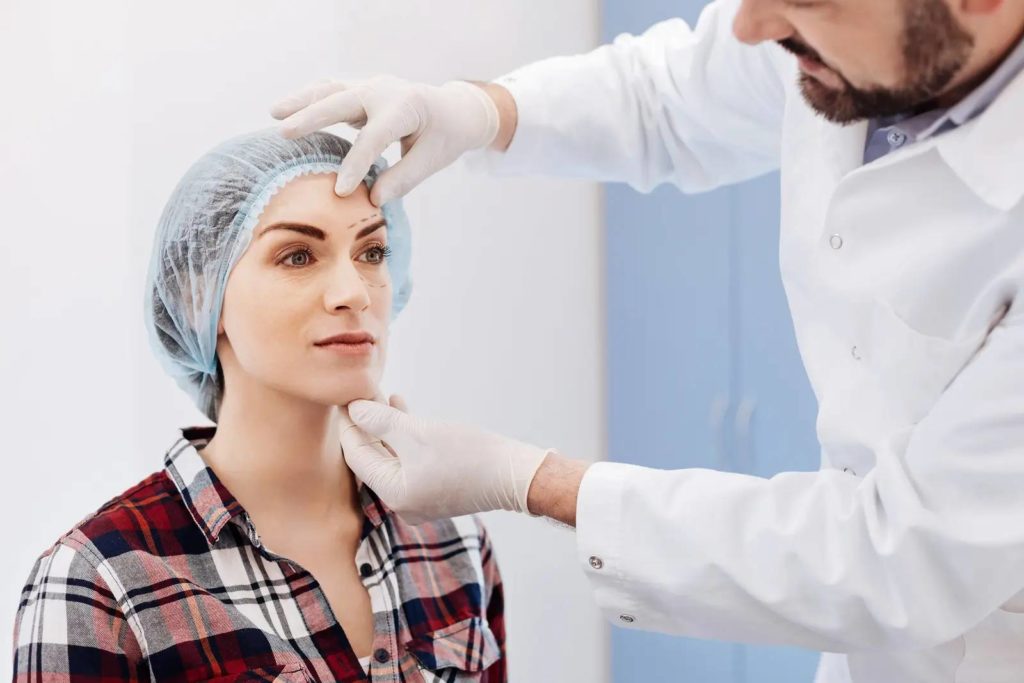
Deciding whether to have a facelift involves more than choosing a surgeon or comparing photographs. You need to understand which concerns surgery can address, how recovery will fit into your life, and whether the potential benefits justify the risks and expense.
A facelift, also called rhytidectomy, can improve sagging facial tissues, jowls, and certain changes around the jawline and neck. However, the right approach depends on your anatomy, health, skin quality, and goals. These eight considerations can help you prepare for a consultation and make an informed decision without relying on promises or promotional language.
1. Set Realistic Expectations for Your Results
A facelift can reposition descended tissues and remove excess skin, creating a more refreshed appearance. It cannot stop aging, guarantee perfect symmetry, or make your face match someone else’s photograph. The aim should be an improvement that respects your existing facial features.
It is also important to distinguish sagging from other concerns. Fine lines, pigmentation, sun damage, and changes around the eyelids may require different treatments. A facelift alone does not address every feature that contributes to an older appearance.
During your consultation, explain what bothers you in specific terms. For example, describe loose skin along the jawline rather than simply asking to look younger. Ask which changes are achievable, which areas will remain largely unchanged, and whether additional procedures would offer a meaningful benefit. A clear explanation of limitations is as valuable as a discussion of potential improvements.
2. Plan for Recovery, Practical Help, and Downtime
Facelift recovery involves more than waiting for bruising to fade. Swelling, tightness, tenderness, and temporary numbness can affect how you look and feel. Returning to routine activities does not necessarily mean that all healing is complete.
Ask your surgeon for an individualized recovery plan covering work, driving, exercise, sleep position, wound care, and follow-up visits. Your job matters: someone working remotely may have different needs from someone whose role involves lifting, travel, or frequent public contact.
Arrange transportation after surgery and responsible adult support as directed by your surgical team. Prepare meals, organize prescribed medications, and arrange help with children, pets, or household tasks. If you are traveling for treatment, discuss how long you should stay nearby and how complications would be managed after you return home.
Leave flexibility in your schedule. Planning a major social event around an optimistic recovery estimate can create unnecessary pressure while swelling and scars are still settling.
3. Understand the Techniques and Verify Your Surgeon’s Credentials
Because there are many different types of facelift procedures, it is important to do your research and find the technique that best suits your needs and goals. For example, modern deep plane techniques focus on repositioning deeper facial tissues to restore the jawline and cheek volume naturally. Patients seeking a Facelift in New Orleans can consult with specialized surgeons who focus on these advanced structural methods. Make sure to choose an experienced, board-certified plastic surgeon who specializes in facial plastic surgery when considering any type of facial cosmetic procedure.
Many people travel to major metropolitan areas to find experienced specialists who perform these procedures regularly. If you are looking for the best facelift nyc surgeons can provide, you will find many options to research. A skilled specialist can explain how different methods affect your recovery and final look. They will evaluate your skin elasticity and bone structure to recommend a personalized plan. This consultation helps you understand what is possible for your specific face.
Use technique descriptions as a starting point for questions. SMAS techniques address the supportive tissue layer beneath the skin, while deep plane approaches involve dissection beneath that layer in selected areas. Neither a technique’s popularity nor its name establishes that it is the best choice for you. Ask why the proposed approach suits your facial structure and concerns.
In the United States, verify relevant credentials through the American Board of Plastic Surgery or the American Board of Facial Plastic and Reconstructive Surgery, as appropriate to the surgeon’s training. Also check medical licensure, facelift experience, and the surgical facility’s accreditation or licensing.
Review photographs of patients with comparable concerns, using consistent lighting and angles. Ask about scar placement, follow-up care, and how the surgeon handles unsatisfactory results.
4. Discuss Risks and Know How Complications Are Managed
A facelift is surgery, so understanding complications is part of informed consent. Possible risks include bleeding, infection, anesthesia complications, poor wound healing, unfavorable scars, asymmetry, and changes in sensation. Facial nerve injury can cause weakness, which may be temporary or permanent.
A hematoma, or collection of blood beneath the skin, may require additional treatment or surgery. Ask your surgeon which complications are most relevant to your medical history and how their team reduces and manages those risks.
Before leaving the surgical facility, obtain written instructions explaining expected symptoms, warning signs, and whom to contact outside office hours. Rapidly increasing swelling, significant bleeding, or worsening pain should prompt immediate contact with the surgical team. Trouble breathing or chest pain requires emergency medical attention.
You should feel comfortable asking difficult questions. A consultation should give you enough information to weigh the benefits and risks without feeling rushed.
5. Review Your Lifestyle, Medications, and Preparation
Your preparation can influence surgical safety and healing. Smoking increases the risk of wound problems and skin loss. Tell your surgeon about cigarettes, vaping, nicotine products, alcohol, cannabis, and other substances so they can give appropriate instructions.
Provide a complete list of prescription medications, over-the-counter medicines, vitamins, and herbal supplements. Some products affect bleeding or interact with anesthesia. Do not stop prescribed blood thinners or other essential medication yourself; changes should be coordinated with the clinicians managing your care.
Follow the surgical team’s instructions about nicotine cessation, alcohol, eating, drinking, and medication use. Adequate nutrition and management of existing health conditions also belong in the preparation plan.
After surgery, ask when you can resume exercise and physically demanding tasks. Avoid assuming that feeling energetic means your tissues are ready for heavy lifting or strenuous activity. Recovery instructions should reflect your procedure and your progress.
6. Understand Long-Term Care Without Assuming Extra Treatments Are Required
Facelift results can be lasting, but aging continues. Skin quality, genetics, sun exposure, smoking, and weight changes can influence how your appearance evolves. No surgeon can guarantee a particular result will remain unchanged indefinitely.
Follow-up appointments allow your surgeon to assess healing, scars, and any concerns. Daily sun protection and healthy habits can help protect your skin and support the appearance of your results. Ask when sunscreen, makeup, and skincare products can safely be applied around healing incisions.
Additional cosmetic treatments are optional, rather than an automatic requirement after a facelift. Some people choose treatments for skin texture, expression lines, or volume loss, but these address separate concerns and carry their own risks and costs.
Before agreeing to a maintenance package, ask what each treatment would accomplish. A useful long-term plan should distinguish routine postoperative care from elective procedures you may never need or want.
7. Recognize When Surgery May Not Be the Right Choice
Facelift candidacy depends on more than age or dissatisfaction with your appearance. Your overall health, healing capacity, expectations, and ability to follow recovery instructions all matter. Conditions such as poorly controlled diabetes, cardiovascular disease, or bleeding problems may require further assessment before elective surgery.
Tell your surgeon about previous facial operations, fillers, threads, and other cosmetic treatments. This history can affect planning and should be considered alongside a physical examination.
If your concerns mainly involve pigmentation, fine lines, or limited volume loss, a different treatment may be more appropriate. Nonsurgical options can address selected issues, but they do not produce the same tissue repositioning as surgery.
It is also reasonable to postpone treatment if you lack recovery support or feel pressured by another person. You should understand the proposed procedure, accept its limitations, and feel comfortable choosing it for your own reasons.
8. Calculate the Complete Cost and Review Financial Policies
The advertised surgical fee may represent only part of the expense. Request a written estimate covering the surgeon, anesthesia, facility, medical testing, medications, postoperative supplies, and follow-up appointments. Costs vary with the procedure’s complexity, location, and the surgeon’s experience.
Clarify whether a neck procedure or other planned treatment is included. Cosmetic facelift surgery is generally not covered by health insurance, so check your policy rather than assuming reimbursement will be available.
Also allow for transportation, accommodation, childcare, and time away from work. Ask about cancellation terms, revision policies, and whether treatment of a complication could generate additional charges.
If financing is offered, review interest, fees, repayment obligations, and the total amount payable. Compare options using the same scope of care, and balance affordability with verified qualifications, facility standards, and access to postoperative support.