
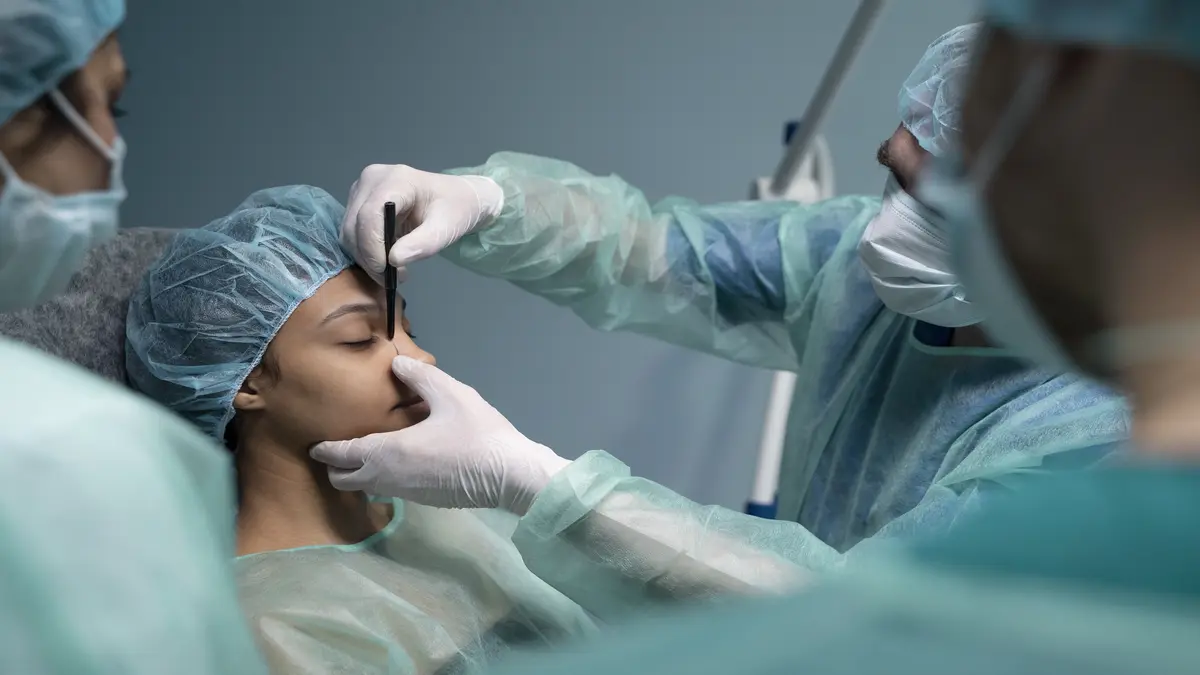
Reconstructive plastic surgery is performed to restore function, repair damaged or abnormal structures, and improve appearance when a body part has been affected by a congenital condition, injury, disease, cancer treatment, infection, burns, or previous surgery. Unlike purely cosmetic surgery, which is generally chosen to enhance normal anatomy, reconstructive surgery usually addresses a medical or functional need. Improving appearance can also be an important part of helping a patient feel comfortable and confident again.
Procedures range from limited scar revisions to complex operations involving skin, muscle, bone, nerves, or blood vessels. Some are performed on an outpatient basis, while others require hospitalization. The type of anesthesia depends on the procedure, the patient’s health, and the treatment plan.
Below are answers to common questions about reconstructive plastic surgery.
What Is the Main Purpose of Reconstructive Plastic Surgery?
The primary goal is to restore function and create the most natural, balanced result possible after a body structure has been altered or damaged. Treatment may be recommended for conditions present from birth, such as cleft lip or craniofacial differences, as well as problems caused by trauma, burns, cancer surgery, severe infection, or other medical conditions.
Reconstruction can also be used after removal of a tumor or after procedures that leave a significant defect. Depending on the situation, a surgeon may repair tissue directly or use grafts, local tissue flaps, microsurgical tissue transfer, implants, or a combination of techniques.
Although function is often the priority, appearance matters too. Restoring facial symmetry, repairing a visible scar, or rebuilding a breast after mastectomy can provide meaningful physical and emotional benefits.
Which Procedures Are Considered Reconstructive?
Reconstructive plastic surgery includes breast reconstruction after mastectomy, breast reduction when medically necessary, cleft lip and cleft palate repair, hand reconstruction, scar revision, burn reconstruction, skin grafting, repair after skin cancer removal, craniofacial surgery, corrective jaw surgery, ear reconstruction, nerve repair, and reconstruction following traumatic injuries.
Some operations may be reconstructive or cosmetic depending on why they are performed. Nasal surgery, for example, may be cosmetic when the goal is to change appearance, but reconstructive when it is performed to correct damage or improve breathing. Eyelid surgery may also be medically necessary when excess tissue interferes with vision.
How Has Reconstructive Surgery Advanced?
Modern reconstructive surgery focuses on more than closing a wound or replacing missing tissue. Surgeons increasingly aim to preserve movement, sensation, strength, symmetry, and long-term quality of life. Microsurgery allows surgeons to reconnect very small blood vessels and nerves, making it possible to move healthy tissue from one area of the body to another while maintaining its blood supply.
Other advances include refined flap techniques, fat grafting, improved implant options, nerve reconstruction, three-dimensional surgical planning, and more individualized scar management. Many teams also use enhanced recovery strategies to improve pain control, encourage earlier mobility, and support a smoother recovery.
What Are the Benefits of Reconstructive Plastic Surgery?
Benefits depend on the condition being treated. Reconstruction may improve breathing, chewing, speaking, movement, grip strength, wound closure, body symmetry, or protection of exposed structures. It can also reduce discomfort, improve clothing fit, make daily activities easier, and support emotional well-being.
However, no operation can guarantee a perfect or completely “normal” result. A realistic treatment plan focuses on meaningful improvement in function, appearance, comfort, or quality of life.
What Is Breast Revision Surgery and When May It Be Needed?
Breast reconstruction and implant-based surgery sometimes require additional procedures. Revision may be considered when there are changes in implant position, scar tissue, breast shape, symmetry, comfort, or the condition of an implant.
Many women seek secondary procedures to address changes or complications after an initial breast surgery. Over time, implants can shift, leak, or cause discomfort. When these issues occur, a follow-up procedure helps restore comfort. Patients who want to correct these concerns often look for specialized care like breast revision surgery Chandler to achieve their goals. This process allows a surgeon to replace old implants or remove tight scar tissue. It is a personalized treatment that focuses on physical well-being.
Patients with breast implants should understand that implants are not lifetime devices and that additional surgery may be required. Regular follow-up and prompt evaluation of new swelling, pain, firmness, asymmetry, or other unusual changes are important.
Who Is a Good Candidate for Reconstructive Surgery?
Candidacy depends on the procedure and the medical reason for treatment. In general, suitable candidates are healthy enough for the planned operation, understand the expected benefits and limitations, and have realistic goals.
A surgeon will review medical conditions, medications, allergies, previous procedures, nicotine use, wound-healing history, and treatments such as radiation therapy that may affect recovery. Uncontrolled medical conditions or active infection may increase risk and may need to be addressed before elective reconstruction.
Nicotine can interfere with blood flow and wound healing, particularly in procedures involving flaps or grafts. Patients may therefore be advised to stop smoking and avoid nicotine products before and after surgery according to their surgeon’s instructions.
What Risks Should Patients Understand?
All surgery carries risk. Possible complications include bleeding, infection, reactions to anesthesia, fluid collections, delayed wound healing, scarring, changes in sensation, asymmetry, blood clots, tissue loss, and the need for additional surgery.
Complex reconstructions can have procedure-specific risks. A tissue flap, for example, depends on reliable blood flow and may require urgent evaluation if circulation becomes compromised. Implant-based procedures can involve rupture, movement, infection, or capsular contracture.
Risk cannot be eliminated completely, but careful patient selection, appropriate surgical planning, a properly accredited or licensed facility, and close postoperative follow-up can reduce avoidable complications.
How Should You Choose a Reconstructive Plastic Surgeon?
Choosing a properly qualified surgeon is one of the most important decisions in the process. In the United States, patients should look for a plastic surgeon certified by the American Board of Plastic Surgery and confirm that the surgeon has experience with the specific reconstructive procedure being considered.
During consultation, ask how often the surgeon performs the procedure, where the surgery will take place, what alternatives are available, which complications are most relevant to your case, and what recovery is likely to involve. Before-and-after photographs of similar cases can also help establish realistic expectations.
Complex reconstruction may involve a multidisciplinary team including plastic surgeons, oncologists, breast surgeons, oral and maxillofacial specialists, orthopedic surgeons, wound-care specialists, or rehabilitation professionals.
What Should Patients Expect During Recovery?
Recovery varies widely. A minor scar revision may require limited downtime, while breast reconstruction, microsurgery, major hand surgery, or reconstruction after trauma can require a longer healing period.
Swelling, bruising, tightness, temporary numbness, fatigue, or discomfort may occur after surgery. Incisions and dressings should be cared for exactly as instructed, and activity restrictions may be necessary to protect healing tissues. Some patients also benefit from physical or occupational therapy.
Follow-up appointments are essential because results continue to change as swelling decreases, scars mature, and tissues settle. Some reconstruction is completed in stages, so a secondary procedure may be part of the original treatment plan rather than a complication.
Does Health Insurance Cover Reconstructive Plastic Surgery?
Coverage depends on the procedure, medical necessity, the insurance policy, and applicable regulations. Procedures performed to restore function or repair abnormalities caused by disease, trauma, congenital conditions, or medically necessary surgery are more likely to qualify for coverage than procedures performed solely to improve appearance.
Even when reconstruction is medically indicated, deductibles, copayments, network rules, prior authorization, or documentation requirements may apply. Patients should ask the surgeon’s office and insurer what records are required and seek written confirmation of benefits when possible.
What Questions Should You Ask Before Surgery?
A good consultation should explain the procedure, alternatives, risks, recovery, and expected outcome. Ask how the operation may improve function, whether reconstruction will require more than one stage, what type of anesthesia is planned, what scars to expect, how pain will be managed, when normal activities can resume, and which symptoms require urgent medical attention.
It is also reasonable to ask what may happen without surgery and whether non-surgical treatment is a suitable alternative.
Final Thoughts
Reconstructive plastic surgery can restore function, repair damage, and help patients regain comfort and confidence after congenital conditions, injuries, cancer treatment, burns, infection, or previous surgery. Modern care ranges from scar revision and implant-based reconstruction to microsurgical tissue transfer and nerve repair.
The most important steps are obtaining a thorough evaluation, choosing a qualified plastic surgeon with relevant experience, understanding the benefits and risks, and setting realistic expectations. With careful planning and appropriate follow-up, reconstructive surgery can play an important role in restoring physical function and quality of life.