
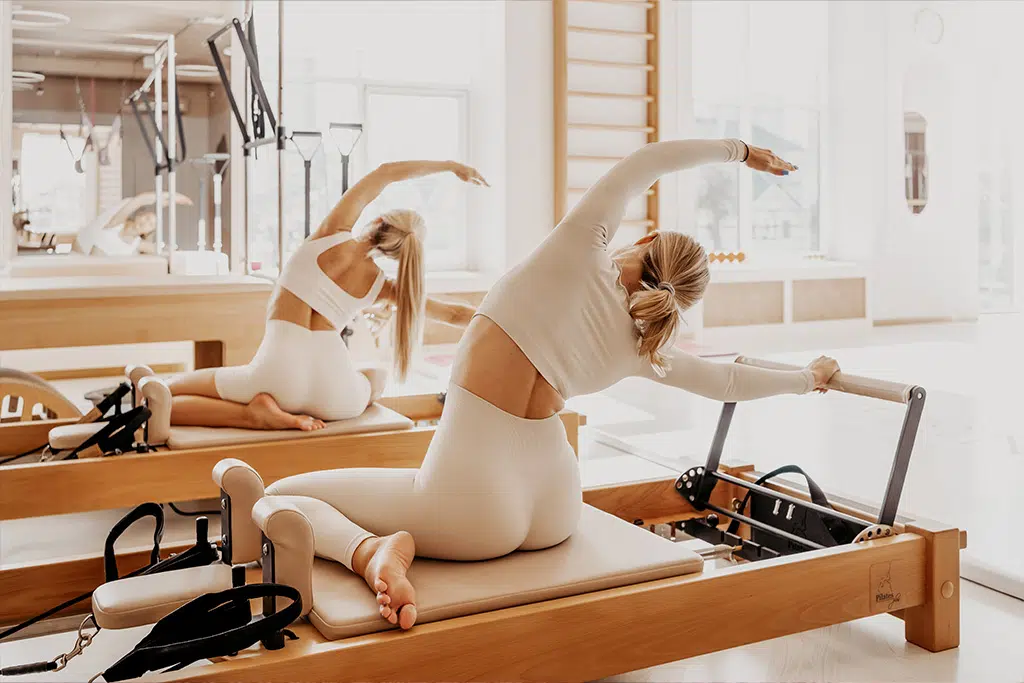
The Role of Pilates in Supporting Joint Control, Balance, and Functional Movement A growing number of people are exploring pilates singapore because they want movement that improves control, balance and everyday function. Pilates is not only about core strength. It trains the body to move with precision, helping students understand how joints, muscles and breath work together. Functional movement matters because daily life requires more than isolated strength. People need to stand, sit, reach, twist, carry, bend and balance with control. Pilates supports these abilities by focusing on alignment, stability and mindful movement.
Why joint control matters
Joints need both mobility and stability. Too much stiffness can limit movement, while too little control can create instability. Pilates helps students develop awareness around joint positioning and muscle engagement. For example, the hips need mobility for walking and sitting, but they also need stability for balance. The shoulders need range for reaching, but they also need support from the upper back and core. Pilates trains these relationships through controlled exercises.
Balance as a health skill
Balance is often ignored until it becomes a problem. However, balance affects daily confidence. It helps people move safely on stairs, uneven surfaces, crowded walkways and during exercise. Pilates can improve balance by strengthening stabilising muscles and improving body awareness. Many Pilates movements require coordination between the core, hips, legs and spine. This encourages the body to organise itself more efficiently. Better balance can also improve confidence in other activities.
Functional movement beyond the studio
Functional movement means the body can perform daily tasks with less strain. Pilates supports this by teaching controlled transitions and better alignment. Students learn how to move from the centre, stabilise the spine and avoid unnecessary tension. These skills can help during ordinary moments such as lifting groceries, sitting at a desk, getting up from the floor or carrying a bag. The benefits may feel subtle at first, but they can improve daily comfort.
Functional qualities developed through Pilates
A consistent Pilates routine can support:
- Better spinal alignment
- Hip and shoulder stability
- Core coordination
- Controlled breathing
- Improved balance
- More efficient movement patterns
- Greater awareness of posture
These qualities make movement feel more organised and less effortful.
Why controlled pace is effective
Pilates often uses slower, deliberate movement. This pace forces students to pay attention. Instead of relying on momentum, the body must control each phase of the movement. This builds strength and coordination. Slow movement can reveal weaknesses or imbalances that fast exercise hides. A student may notice one side is less stable, the pelvis shifts or the shoulders grip unnecessarily. These discoveries help improve movement quality.
Core stability and joint support
The core acts as a support system for the spine and limbs. When the core is active and coordinated, the body can move with better control. When it is weak or disconnected, other areas may overwork. Pilates strengthens the core in relation to movement. This means students do not simply hold a static position. They learn to stabilise while the arms or legs move. This is useful because real life rarely happens in perfect stillness.
Breath and concentration
Pilates requires concentration. Students coordinate breath with movement, which improves focus and reduces unnecessary tension. Breath can also help activate the deep core and support better control. This mental focus is one reason Pilates feels different from many fitness routines. It is not about rushing through repetitions. It is about precision. The mind stays involved with the body.
Supporting active ageing and long-term mobility
Pilates can be useful for adults who want to maintain movement quality over time. Joint control, balance and core strength all become increasingly important as people age. A consistent practice can help preserve confidence in movement. This does not mean Pilates is only for older adults. It is useful at many stages of life because it builds habits that support long-term function.
A studio setting for better guidance
A guided environment helps students understand how to perform Pilates movements correctly. Teacher cues can prevent common mistakes and help students choose suitable options. This is especially important for exercises that require subtle control. A wellness space such as Yoga Edition can support students who want movement that is precise, mindful and aligned with broader wellbeing goals.
Movement that feels intelligent
Pilates supports joint control, balance and functional movement by teaching the body to move with awareness. It helps students build strength that is organised, not random. It improves confidence by making movement feel more stable and intentional. For adults managing busy routines, this type of training is valuable. It helps the body function better in daily life, not only during exercise. That is why Pilates continues to appeal to people who want movement with purpose.