
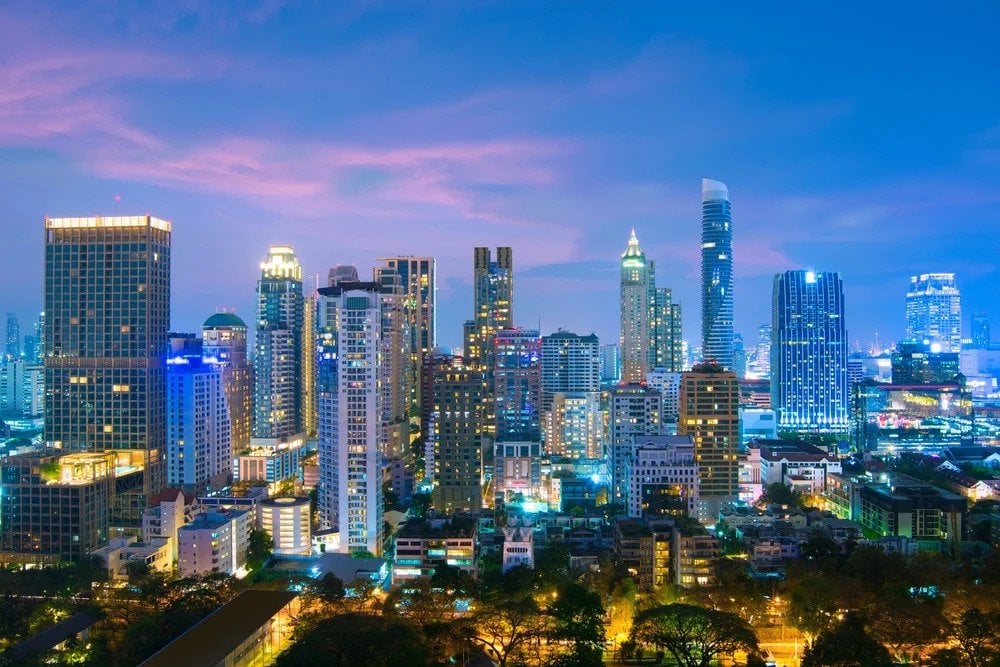
Arriving in a sprawling city can feel disorientating at first, especially when districts blend into one another with little visual separation. The question of where to base yourself quickly becomes more than a logistical decision. Many travellers spend time researching the best neighborhood to stay in Bangkok because neighbourhood character often determines whether a visit feels calm or chaotic, connected or isolated.
Bangkok does not operate as a single uniform experience. Each area carries its own rhythm, shaped by transport links, street culture, green space, and residential density. Staying near a major transit line can reduce travel fatigue and open up parts of the city that might otherwise feel inaccessible. At the same time, quieter residential streets offer a sense of retreat that balances the intensity of the wider urban environment.
Some visitors prioritise walkability, enjoying areas where cafés, markets, and local services sit within easy reach. Others prefer neighbourhoods anchored around parks or riverfronts, where daily movement includes greenery and open space. These small environmental cues influence how people spend their time, whether they linger outdoors, explore on foot, or rely more heavily on taxis and trains.
How Daily Patterns Are Influenced by Location
Neighbourhood choice shapes everyday behaviour in subtle ways. A hotel near office districts tends to be quieter in the evenings but busier during working hours. Entertainment zones feel lively at night but can become noisy or congested. Families often gravitate towards areas with playgrounds, medical facilities, and supermarkets nearby, reducing friction during longer stays.

Access to food culture also varies dramatically by district. Some neighbourhoods specialise in street stalls and informal dining, while others lean towards cafés and sit-down restaurants. These differences shape not only what people eat but how they socialise, whether meals become spontaneous street-side experiences or scheduled gatherings.
Cultural Exposure Versus Convenience
There is often a trade-off between immersion and ease. Central districts offer efficiency, shorter commute times, and predictable infrastructure. Peripheral neighbourhoods can provide deeper exposure to local routines but require more navigation and patience. Travellers who value discovery may enjoy wandering residential areas where everyday life unfolds naturally rather than around tourist clusters.
Language familiarity, signage, and service expectations also shift across districts. Some areas cater heavily to international visitors, while others reflect primarily local use. Neither approach is inherently better, but awareness helps align expectations with personal comfort levels and travel objectives.
Long-Term Stays and Lifestyle Fit
For those staying weeks or months rather than days, neighbourhood choice becomes increasingly significant. Proximity to gyms, coworking spaces, schools, and healthcare influences quality of life. Noise levels, air circulation, and green access affect concentration and wellbeing over time.
Community interaction often emerges organically in smaller neighbourhoods where residents frequent the same shops and cafés daily. This creates familiarity and routine, which can counteract the anonymity often associated with large cities.
Rather than seeking a universally perfect location, the more useful question becomes how a neighbourhood aligns with individual habits, tolerance for stimulation, and desired pace of living. A stay feels more settled when the surrounding environment supports rather than competes with daily rhythm.